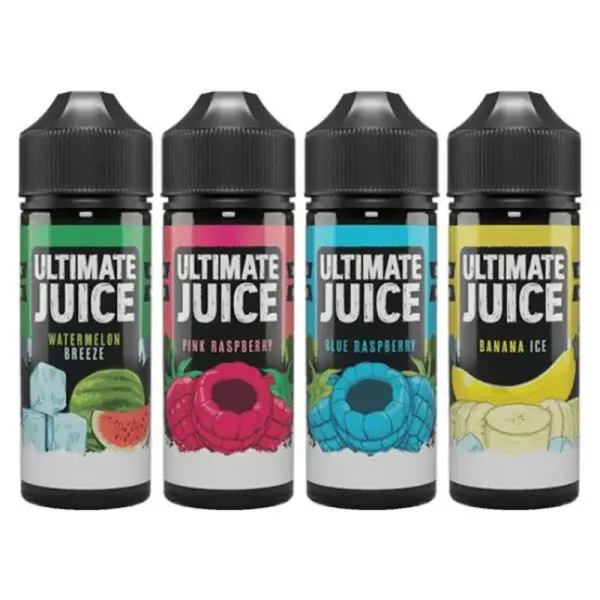
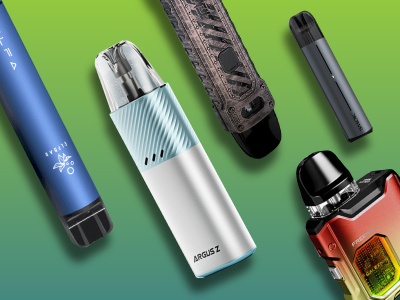
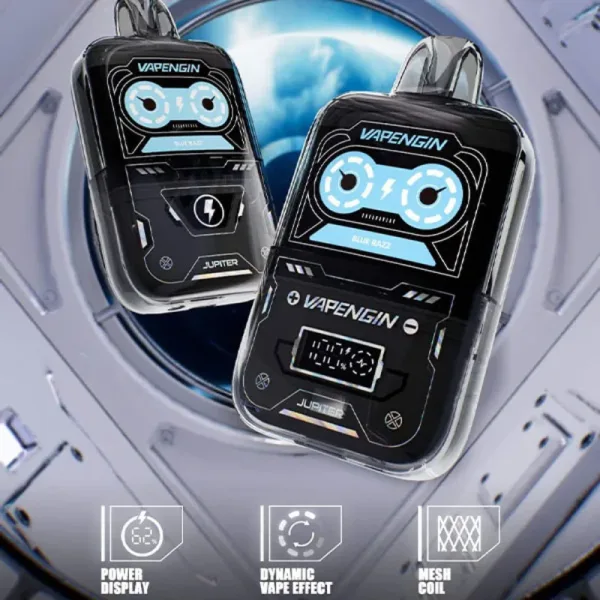
Ignite Your Vape Experience

Best Vape Shop In Nairobi

As the Best Vape Shop In Nairobi we redefine your vaping journey. From cutting-edge e-cigs to delightful e-liquids, we bring you the best. Satisfaction guaranteed – because your clouds should always be on cloud nine. Eastleigh Vape Shop.

Secure Payment​

100% Secure Payment

24/7 Support​

Dedicated support

Quick Delivery

Delivery within time-frame
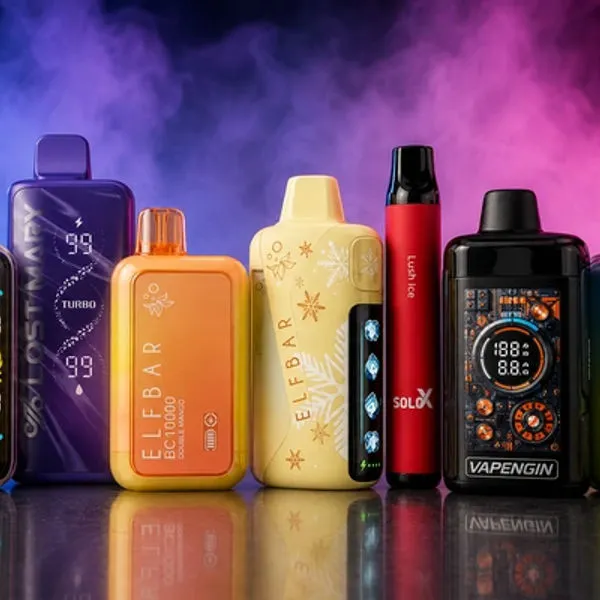
EXPLORE THE COLLECTION

Featured Products

Browse our product collection.
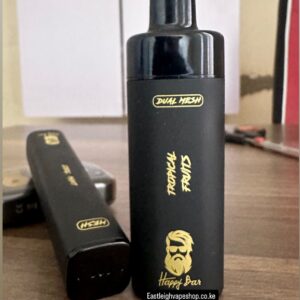
EXPLORE OUR COLLECTION

Discover the Ultimate Vape in Kenya!

Discover our collection of products, explore different styles and flavors, and find detailed information to help you understand the available options.

Browse the collection at your own pace.

Explore Collection
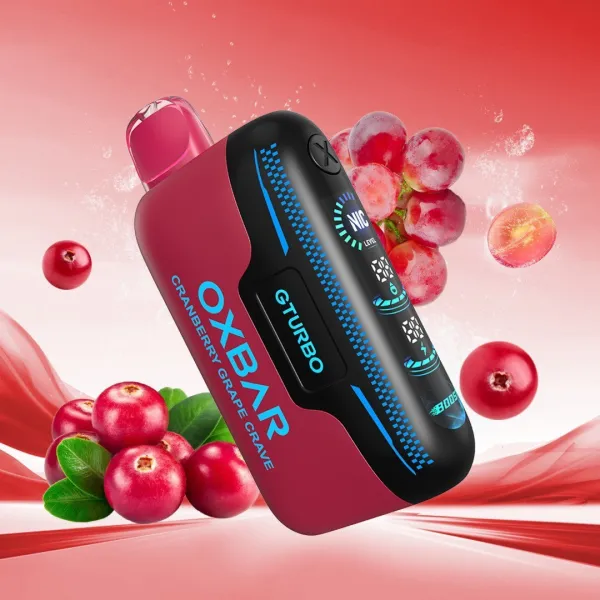
Eastleigh Vape Shop collection
EXPLORE OUR COLLECTION

Browse by Category

Explore product information across our different collections, all in one place.

STORE INFORMATION

Why Choose Eastleigh Vape Shop?

Find the product details, availability information, store contacts and assistance you need in one place.

Genuine Product Information

Find brand names, product specifications and clear details to help identify individual products.

01

Product Availability

View listed stock status and check whether individual products are currently marked as available.

02

Nairobi Store Information

Find our business location details, available contact channels and general store information.

03

Customer Assistance

Reach our team for general enquiries, product information, store details and customer support.

04
PRODUCT KNOWLEDGE BASE

Frequently Asked Questions

Answers to common questions about vape devices, e-liquids, compatibility, maintenance and safety.

1. What is a disposable vape?
A disposable vape is a self-contained electronic vaping device typically supplied with a battery, heating element and prefilled liquid. Some models are rechargeable, while others are not. Once the liquid is depleted or the device reaches the end of its usable life, it must be disposed of through an appropriate electronic-waste or battery collection service.
2. What is the difference between a disposable vape and a pod system?
A disposable vape generally has an integrated liquid reservoir and is not intended for regular refilling. A pod system uses a reusable battery unit with replaceable or refillable pods. Pod systems vary in coil design, pod capacity, charging requirements and compatibility, so manufacturer specifications matter.
3. What is a vape starter kit?
A vape starter kit is a packaged set of components for an electronic vaping device. Depending on the manufacturer, it may contain a battery device, tank or pod, charging cable, replacement coil and instruction manual. The contents differ by model and should be checked against the official product documentation.
4. What is an e-liquid?
E-liquid is a fluid designed for compatible electronic vaping devices. It commonly contains propylene glycol (PG), vegetable glycerin (VG), flavoring substances and sometimes nicotine. Ingredients, concentrations and regulatory labeling vary by product. E-liquids should be stored securely away from children and pets.
5. What is the difference between nicotine salts and freebase nicotine?
Nicotine salts and freebase nicotine are different formulations of nicotine used in some e-liquids. They may differ in acidity and sensory characteristics, but both deliver nicotine and can cause dependence. Nicotine concentration should be assessed using the actual labeled mg/mL value rather than marketing descriptions alone.
6. What does 0 mg, 3 mg, 6 mg or 20 mg nicotine mean?
These numbers usually indicate nicotine concentration in milligrams per milliliter (mg/mL) of e-liquid. For example, 20 mg/mL indicates 20 milligrams of nicotine per milliliter, not necessarily 20 milligrams in the entire container. Check whether the label uses mg/mL or a percentage, since these are different ways of expressing concentration.
7. Are nicotine-free vapes completely risk-free?
No. An e-liquid labeled nicotine-free may avoid nicotine exposure if accurately labeled, but inhaling its aerosol is not established as risk-free. Aerosols can contain substances produced from heating liquid ingredients or device components. Product labeling and independent testing can also vary.
8. What does the puff count on a disposable vape mean?
A stated puff count is a manufacturer's estimated number of draws under particular testing conditions. Actual results depend on puff duration, power output, battery capacity, liquid volume and device behavior. It should not be interpreted as a guaranteed number of puffs or a measure of product safety.
9. Why does a vape sometimes taste burnt?
A burnt taste can indicate that the heating material is not receiving sufficient liquid, that the coil is damaged, or that the device has overheated. Stop using a device that produces an unusual burnt taste, excessive heat or visible damage. Follow the manufacturer's troubleshooting instructions rather than attempting unsafe modifications.
10. Why is my vape not producing vapor?
Possible causes include a depleted battery, empty reservoir, blocked airflow, disconnected pod, failed coil or internal electrical fault. Check the manufacturer's instructions and any visible damage. Do not open sealed batteries, bypass safety mechanisms or attempt to repair a swollen or overheating device.
11. Can all vape pods fit any pod device?
No. Pods are usually designed for specific device families or models. Differences in shape, magnetic connectors, electrical contacts, resistance and airflow mean that visually similar pods may not be compatible. Verify the exact model and part number using the manufacturer's compatibility information.
12. What is a vape coil and what does resistance mean?
A coil is the heating component in an electronic vaping device. Its electrical resistance is commonly expressed in ohms (Ω). Resistance influences how the device operates alongside voltage, power controls and airflow. Only use replacement coils and power settings explicitly supported by the manufacturer.
13. What do PG and VG mean in vape liquid?
PG stands for propylene glycol and VG stands for vegetable glycerin. They are common carrier ingredients in e-liquids. A ratio such as 50/50 describes the relative proportions of PG and VG. These ingredients are not automatically safe to inhale simply because they are used in food or other consumer products.
14. Why does an e-liquid sometimes change color?
Color changes can occur because of oxidation, exposure to light or heat, ingredient interactions and aging. A change in color alone does not establish whether a liquid is safe. If the liquid develops an unusual smell, contamination, separation or damaged packaging, do not use it and consult the manufacturer.
15. How should vape batteries be handled safely?
Use charging equipment approved for the exact device, keep batteries away from excessive heat and moisture, and avoid charging damaged equipment. Stop using batteries that swell, leak, become abnormally hot or have damaged insulation. Never carry loose removable batteries with metal objects that could short their terminals.
16. Can I charge a disposable vape?
Only if the specific model is explicitly designed to be rechargeable and has a manufacturer-approved charging method. A charging port is not permission to modify a device, and a non-rechargeable device must never be forced to charge. Stop charging immediately if the device overheats or behaves abnormally.
17. How should e-liquids and vape devices be stored?
Keep e-liquids tightly closed in their original labeled containers and store devices according to manufacturer instructions, away from direct sunlight, high temperatures, children and pets. Nicotine-containing liquid can be poisonous if swallowed or absorbed through the skin, particularly for children.
18. How can I identify counterfeit or incorrectly labeled vape products?
Look for inconsistent packaging, spelling errors, missing manufacturer information, altered seals, unexplained differences in batch details and suspicious verification codes. Some manufacturers provide official authenticity-checking systems. A valid-looking QR code alone does not prove authenticity, and packaging checks cannot replace laboratory testing.
19. Are vaping products safe during pregnancy?
Nicotine exposure during pregnancy can harm fetal development. Vaping is not considered risk-free during pregnancy, including because aerosols may contain other potentially harmful substances. Anyone who is pregnant or planning pregnancy should discuss nicotine cessation and appropriate support with a qualified healthcare professional.
20. How should used disposable vapes, pods and batteries be disposed of?
Electronic vaping devices can contain lithium batteries, electrical components and residual nicotine liquid. They should not be thrown into ordinary household waste where local collection rules prohibit it, nor placed in fire. Use an appropriate electronic-waste or battery recycling service and follow local disposal requirements.

Information is educational and does not replace manufacturer instructions or medical advice.

Call Now Button